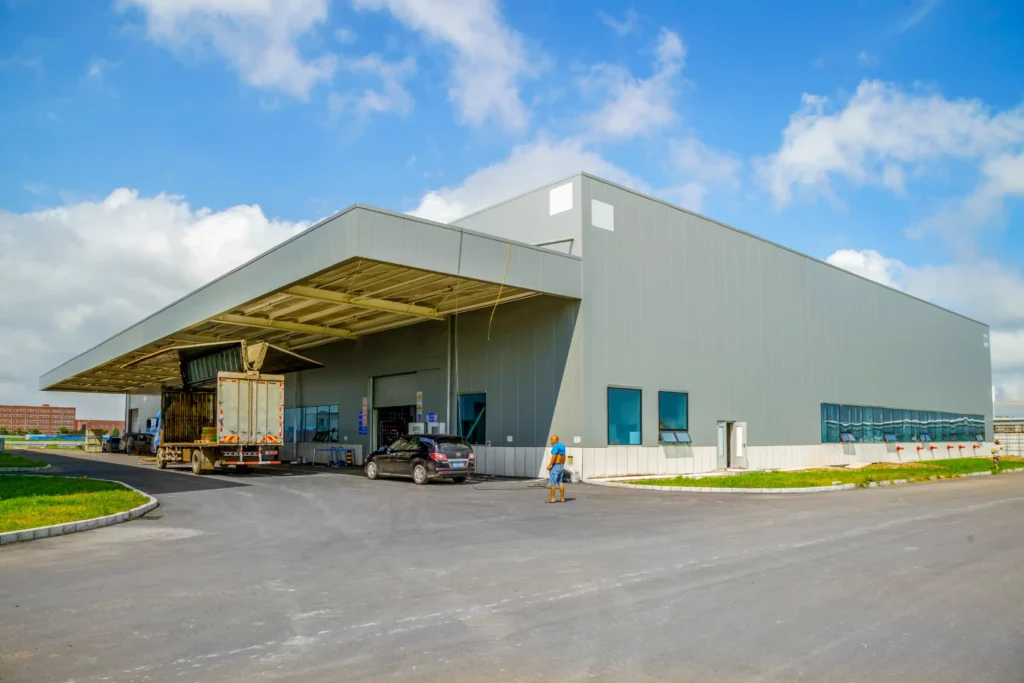
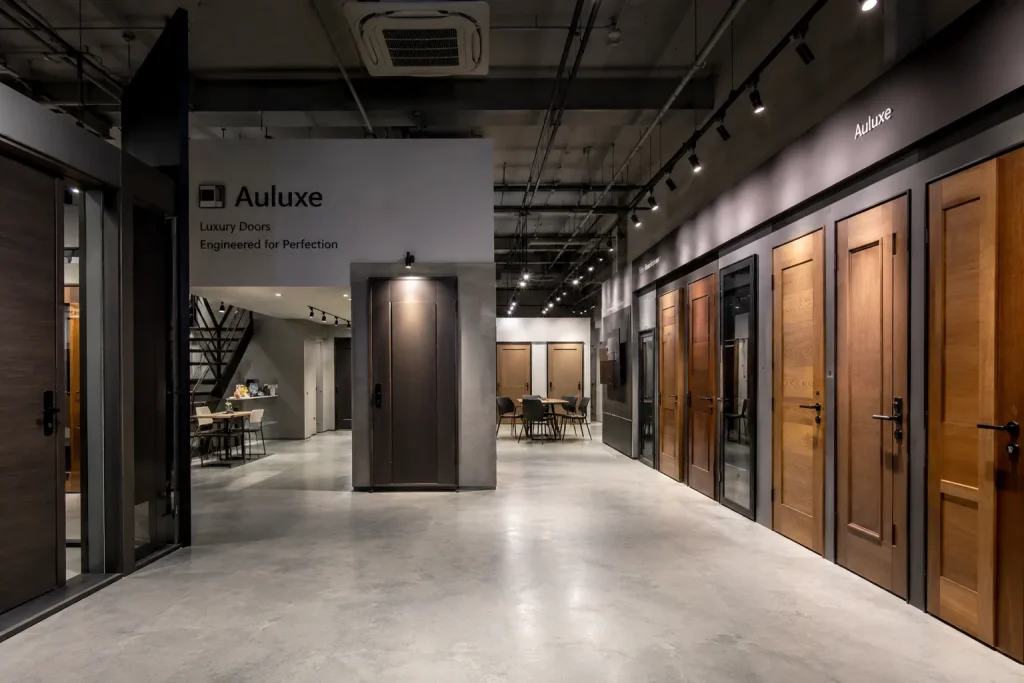
Many entrepreneurs look toward industrial spaces as a cost-effective alternative to display their products. This brings up one of the most frequently asked questions in the local real estate market: Can B1 industrial property be used as a showroom in Singapore?
The short answer is yes, but with strict conditions.
Singapore’s land use is highly regulated, so understanding the intricate rules governing b1 industrial usage is crucial to avoid hefty fines or forced closures.
In this comprehensive guide, we will break down the regulations, exceptions, and steps required to legally set up a showroom in a B1 space.
B1 Industrial Zoning
In Singapore, B1 industrial zoning is designated for clean and light industries. These operations do not generate excessive noise, toxic pollution, or offensive odors, making them suitable to be located near residential areas.
Typical activities in a light industrial building include software development, e-commerce logistics, light assembly, and packaging.
This brings us to the difference between B1 and B2 zoning. While B1 is for clean, light industries, B2 zoning is reserved for heavier industries like carpentry, metal stamping, and chemical manufacturing, which require buffer zones away from residential estates.
Because B1 buildings are often cleaner, better designed, and located closer to public transport, they are naturally more attractive for businesses wanting a customer-facing element.
The URA 60/40 Rule
To prevent industrial buildings from turning into unauthorized shopping malls, the Urban Redevelopment Authority (URA) enforces strict guidelines. The most critical of these is the URA 60/40 rule for industrial property.
Under this rule, any B1 or B2 space must allocate its floor area as follows:
- Minimum 60% for Core Industrial Use: This area must be strictly used for permitted light industrial activities Singapore permits, such as manufacturing, assembly, research and development, or warehousing.
- Maximum 40% for Ancillary Use: The remaining 40% can be used for ancillary offices, meeting rooms, staff canteens, and crucially, ancillary showrooms.
When considering the conversion of B1 warehouse to display area, you must calculate your space meticulously. The showroom cannot exceed the maximum floor area for ancillary use. If you rent a 10,000 sq ft unit, your showroom, office, and pantry combined cannot take up more than 4,000 sq ft.
Ancillary Showroom Guidelines in Singapore
So, you have carved out your 40% ancillary space. Can you display anything you want? Absolutely not.
The ancillary showroom guidelines Singapore has set forth dictate that a B1 showroom is solely meant to display products that are primarily manufactured, assembled, or distributed from that specific industrial premises.
Below are the key takeaways for operating a legally compliant showroom:
- No General Retail: Pure retail use in B1 industrial buildings is strictly prohibited. You cannot use the space as a standard shop where walk-in customers buy off-the-shelf items.
- Business-to-Business (B2B) Focus: Showrooms in B1 spaces are generally expected to facilitate B2B transactions, allowing clients to view prototypes or bulk goods before placing orders.
- No Unrelated Goods: If your core industrial activity is manufacturing electronics, you cannot use your ancillary showroom to display imported clothing or food items.
If your business model relies on heavy consumer footfall and direct sales, you would be better off looking for a traditional commercial showroom for lease rather than attempting to bypass B1 regulations.
Specific Use Cases: Furniture, E-commerce, and Bulky Goods
Certain industries naturally blur the lines between warehouse and showroom.
For instance, many interior design firms and furniture retailers seek out a B1 property for furniture showroom usage. Because furniture is bulky and requires significant space for storage, light assembly, and display, B1 spaces seem ideal.
However, independent retail of furniture in standard B1 spaces is generally not allowed unless it clearly falls under the ancillary guidelines (e.g., custom furniture being built in the 60% core area and displayed in the 40% ancillary area).
To cater to these specific needs, authorities have created distinct zoning classifications, such as Industrial-Commercial zoning for bulky goods (often referred to as White sites or specialized I-C zones).
These unique zones allow for a higher quantum of commercial and retail activities, specifically tailored for businesses selling bulky items like home furnishings or automobiles, bridging the gap between a warehouse and a retail store.
How to Legalize Your B1 Showroom Space
If your business model fits the 60/40 rule and the ancillary guidelines, you must obtain official permission before setting up your display area. Here is how to legalize industrial showroom space:
1. Submit a Change of Use Application
You will need to submit a change of use application for B1 space to the URA. If the building’s master plan already allows for ancillary showrooms, this might be a straightforward process, sometimes even qualifying for the URA’s Lodgment Scheme, which offers faster approvals.
2. Understand JTC vs. URA Regulations
If your property sits on JTC-leased land, you have another layer of compliance to consider. The rules surrounding JTC vs URA industrial land regulations can differ. While URA dictates the zoning and land use (like the 60/40 rule), JTC focuses on the economic productivity of the land. JTC has strict regulations on subletting and the types of anchor tenants allowed. Always ensure you have clearance from both URA and JTC (if applicable) before proceeding.
3. Consider Temporary Permissions
In some unique cases, businesses can apply for a temporary change of use for B1 premises. This is usually granted for a limited period (e.g., 3 years) and allows a business to operate a specific type of ancillary showroom while the authorities monitor the impact on the surrounding industrial estate’s traffic and infrastructure.
Exploring B1 Alternatives
What happens if your business does not involve manufacturing or warehousing, and you simply need a large, aesthetic space to display products?
You might need to look beyond standard B1 units. Many business owners evaluate the pros and cons of a business park vs light industrial property. Business parks (like Changi Business Park or one-north) are designed for non-polluting industries, high-tech research, and corporate HQs. While they offer a more premium, commercial-like facade, they also heavily restrict general retail and traditional showrooms.
For pure retail and display purposes without a manufacturing component, your best route is securing a commercial showroom for lease in a designated retail mall, an HDB commercial shop, or a commercially zoned shophouse.
Why B1 Properties are in Demand
From an investment standpoint, the strict rules have not dampened the appeal of the industrial market. In fact, investing in commercial property and industrial spaces has seen a massive surge in Singapore.
Unlike residential properties, industrial real estate does not attract Additional Buyer’s Stamp Duty (ABSD), making commercial property investment highly attractive to both local and foreign investors.
Finding or developing a legally compliant B1 industrial property showroom Singapore businesses can lease is a highly lucrative niche. Investors who understand the industrial property development landscape can acquire older B1 factories, refurbish them into modern, high-spec facilities with approved ancillary showroom layouts, and command premium rental yields.
The broader market for industrial property Singapore remains resilient, driven by e-commerce logistics, advanced manufacturing, and tech firms looking for B1 spaces.
The Importance of Professional Guidance
If you are a business owner looking for a space or an investor looking to maximize rental yield, it is highly recommended to engage our industrial real estate consultant. At Proptiply, our team of property specialists brings hands-on experience across Singapore’s industrial market. We understand the nuances of industrial zoning and can help you pre-assess whether your business qualifies for an ancillary showroom.
Maximizing Your B1 Industrial Space
So, can B1 industrial property be used as a showroom in Singapore? Yes, provided it remains strictly ancillary to a primary industrial activity and adheres to the URA 60/40 rule. B1 industrial spaces are not a backdoor to cheap retail space, but they offer an incredible opportunity for legitimate manufacturers, distributors, and assemblers to showcase their products in a professional setting.
(Disclaimer: Property regulations in Singapore are subject to change by government authorities like URA and JTC. Always consult with a licensed real estate professional or legal advisor for the most current advice tailored to your specific business needs.)