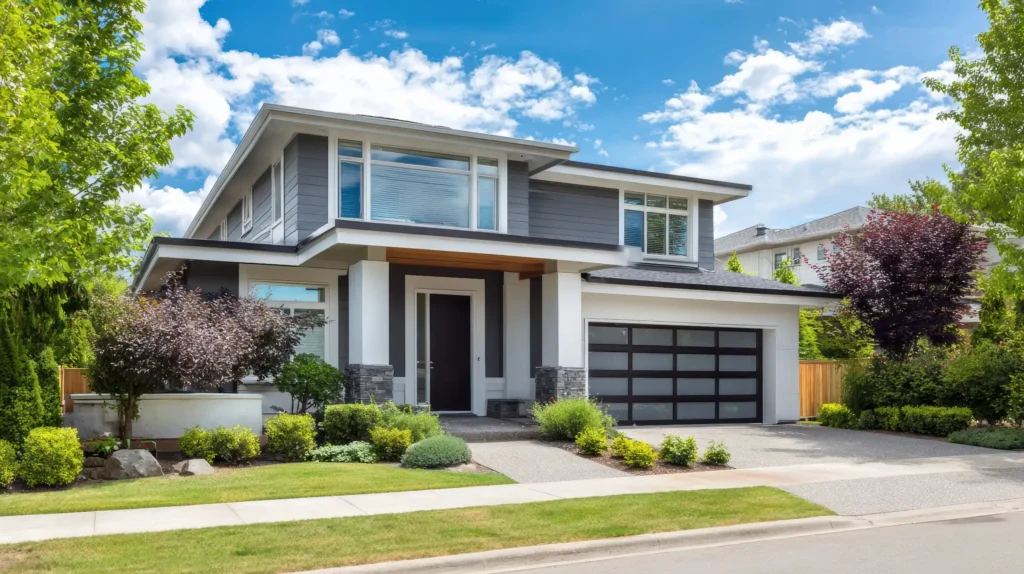

Property asset progression is a long-term strategy for moving up Singapore’s property ladder. It typically begins with a subsidised HDB flat, progresses to private property, and ends with a right-sized retirement home. Rather than relying solely on CPF savings or a single property purchase, the strategy uses financing, timing, and ownership structures to build wealth over time.
Asset progression is a multi-decade plan shaped by regulations such as the Minimum Occupation Period (MOP), loan limits, and stamp duty rules.
This guide explains the four stages of property asset progression, the financing principles behind each step, the 2026 regulatory changes that affect homeowners, and the common mistakes that can undermine the strategy.
What Is Property Asset Progression?
Real Estate Upgrading in a Land-Scarce Economy
With limited land available for new housing, Singapore’s property market is heavily influenced by government policies. Regulations such as the MOP, Additional Buyer’s Stamp Duty (ABSD), and Loan-to-Value (LTV) limits play a major role in determining how homeowners can upgrade over time.
Property asset progression is designed around these rules. A household purchases a subsidised starter home, fulfils the MOP, then sells or retains the property to help finance the next purchase. As equity grows, they can progressively move into higher-value properties before eventually unlocking that wealth as part of their retirement planning.
The Core Objective
The objective of property asset progression is not simply to own a larger home. It is to build long-term wealth by using property as a financial asset.
For comparison, CPF Ordinary Account (OA) savings currently earn 2.5% per annum. A property purchased early, held through periods of appreciation, and monetised at the right time has the potential to generate stronger long-term returns. However, this outcome depends on understanding important factors such as mortgage financing, CPF refund obligations, and debt servicing before making each purchase.
Asset Progression vs. Traditional Property Investment
| Dimension | Asset Progression | Traditional Property Investment |
| Primary residence | Owner-occupied at every stage | Often a second or third property held primarily for rental income |
| Financing | Owner-occupier loans subject to TDSR and MSR | Investment loans with stricter LTV requirements |
| Stamp duty | Typically minimised through sell-first strategies or decoupling | ABSD is often payable in full |
| Investment horizon | Long-term, aligned with MOP timelines and life stages | Shorter holding periods based on market opportunities |
| Exit strategy | Unlock wealth for retirement | Generate capital gains or rental income |
The 4-Stage Singapore Asset Progression Roadmap
Stage 1: Building the Foundation with an HDB Flat
Property asset progression commonly begins with a Build-To-Order (BTO) or resale HDB flat. The first major milestone is completing the Minimum Occupation Period (MOP). Until the MOP is fulfilled, you cannot sell your flat, rent out the entire unit, or purchase another residential property in Singapore or overseas.
The focus during this stage is to maximise your CPF OA savings for the down payment while maintaining sufficient cash reserves. HDB loans, which are 2.6% per annum as of mid-2026, allow eligible buyers to borrow up to 75% Loan-to-Value (LTV).
A common mistake is treating the HDB flat as your final home instead of the first step in a long-term property strategy. Planning should begin well before your MOP ends. This includes reviewing your future borrowing capacity under the Total Debt Servicing Ratio (TDSR) framework and understanding your upgrade options.
Stage 2: Upgrading to an EC or Private Property
Once the MOP is completed, many homeowners move on to an Executive Condominium (EC) or a resale private condominium. At this stage, one of the biggest decisions is whether to sell your existing property first or buy your next property first.
Sell First
Selling your existing property before buying the next one allows you to avoid paying Additional Buyer’s Stamp Duty (ABSD) on your next purchase. Your CPF principal and accrued interest are also refunded to your CPF account, making those funds available for your next property purchase.
The trade-off is that you may need temporary accommodation while searching for your next home. There’s also the possibility that property prices increase before you complete your purchase.
Buy First
Buying your next property before selling your current one allows you to secure the property first, particularly if prices are rising.
However, if the purchase is treated as your second residential property, you’ll need to pay ABSD upfront. For a Singapore Citizen, this is 20% of the purchase price, payable within 14 days of exercising the Option to Purchase.
The ABSD can be refunded if you sell your first property within 15 months of purchasing the second property (extended from six months in February 2024), provided neither spouse owns another residential property when the sale is completed.
For most single-income households or buyers with limited cash reserves, selling first is generally the lower-risk approach.
Buying first is usually more suitable for buyers with sufficient liquidity to treat ABSD as a temporary financing cost and who are confident they can sell their existing property within the remission period.
Stage 3: Expanding into Multiple Properties
As wealth grows, some homeowners choose to own two residential properties—one for their own stay and another for investment. The biggest challenge at this stage is typically ABSD on the second property.
One commonly used strategy is decoupling. This involves one spouse purchasing the other’s share of an existing private property through a genuine sale. Once the transaction is completed, the exiting spouse is treated as a first-time buyer by IRAS and may purchase another residential property without paying the 20% ABSD that would otherwise apply.
Decoupling is only available for private properties and ECs that have fulfilled their MOP. HDB flats generally cannot be decoupled between spouses except under limited circumstances such as divorce, death, or bankruptcy.
The process typically takes 8–12 weeks if CPF funds or a bank loan are involved, or 2–4 weeks if neither is required. Legal fees generally range from $3,500 to $6,500, as separate law firms must represent both parties.
To be recognised by IRAS, the transaction must have genuine commercial substance. It should be carried out at fair market value, supported by proper documentation and actual fund transfers. Arrangements created solely to avoid tax may be treated as tax avoidance, resulting in clawbacks and penalties.
Another option is using a trust structure. Today, trusts are primarily used for estate planning rather than reducing stamp duty. Since May 2022, residential properties transferred into a living trust are generally subject to the 65% entity-rate ABSD, closing the previous loophole that allowed minors to hold residential property through trusts without incurring ABSD.
If you’re considering an investment property at this stage, our guide to finding below-market-value properties in Singapore explains how experienced investors identify potential opportunities.
Stage 4: Unlocking Wealth for Retirement
The final stage of property asset progression focuses on converting accumulated property wealth into retirement funds. This usually involves downsizing from a larger private property to a smaller home, sometimes returning to a resale HDB flat, while unlocking the difference in value as cash.
Singapore Citizens aged 55 and above who sell their only or larger private residential property to right-size may also qualify for an ABSD refund on the replacement property, subject to the eligibility criteria set by the Inland Revenue Authority of Singapore (IRAS) and the Ministry of National Development (MND).
This is also where many homeowners underestimate the impact of CPF accrued interest. If it hasn’t been factored into your planning from the beginning, it can significantly reduce the cash proceeds you receive after selling your property.
The Financial Mechanics Behind Property Asset Progression
Two homeowners with similar incomes can have very different upgrading options depending on their debt obligations, CPF usage, and available cash reserves.
Total Debt Servicing Ratio (TDSR) and Loan-to-Value (LTV)
Every property purchase is primarily governed by two financing rules:
- Total Debt Servicing Ratio (TDSR): Limits your total monthly debt repayments to 55% of your gross monthly income across all outstanding loans. Banks also assess affordability using a 4% medium-term interest rate floor, regardless of your actual mortgage interest rate. You can learn more about the framework on the Monetary Authority of Singapore (MAS) website.
- Loan-to-Value (LTV): Determines the maximum percentage of a property’s value you can finance with a housing loan. For a first housing loan, the maximum LTV is 75%, provided the loan tenure does not exceed 30 years and the borrower’s age plus loan tenure does not exceed 65 years. The limit falls to 45% if you have one outstanding housing loan and 35% if you have two or more, with higher cash down payment requirements at each stage.
The TDSR is calculated using the following formula:
TDSR = (Total Monthly Debt Obligations ÷ Gross Monthly Income) × 100
For example, a household earning a combined $8,000 per month has a maximum TDSR limit of $4,400. If they already have a $1,200 monthly car loan, only $3,200 remains available for mortgage repayments. Because banks apply a 4% stress-test interest rate, the loan amount they qualify for may be significantly lower than expected based on the advertised mortgage rate.
The CPF Accrued Interest Trap
One of the most commonly overlooked costs in property upgrading is CPF accrued interest.
Every dollar withdrawn from your CPF Ordinary Account (OA) to pay for a property—including the down payment, monthly mortgage instalments, and stamp duties—must be returned to your CPF account when the property is sold.
On top of the original amount, you’ll also need to refund the accrued interest at 2.5% per annum, compounded over the period the funds were used.
For example, suppose a couple uses $300,000 from their CPF over 10 years to cover the down payment and monthly mortgage instalments. By the time they sell the property, the accrued interest could amount to approximately $40,000–$45,000, depending on when the CPF withdrawals were made.
If the property’s value has only increased modestly, the outstanding loan and CPF refund of around $345,000 may consume most of the sale proceeds. Although the property appears profitable on paper, the actual cash received after the sale may be much lower, or even negligible in a flat market.
This is why successful property asset progression depends on more than just rising property prices. Your property’s long-term appreciation should also outpace the accumulated CPF accrued interest over the holding period.
Maintain a Healthy Cash Buffer
CPF savings and loan eligibility are only part of the equation. Every stage of your property journey should also be supported by sufficient cash reserves.
As a general guideline, homeowners should maintain a cash buffer equivalent to 6 to 12 months of mortgage instalments, property tax, and conservancy fees. These funds should be kept outside CPF and remain readily accessible.
Having an adequate emergency fund helps protect you against unexpected events such as job loss or rising interest rates. Without one, homeowners may be forced to sell their property at an unfavourable time, when CPF refunds, stamp duties, and other transaction costs can significantly reduce their overall returns.
Advanced Strategies and Regulatory Considerations
As your property portfolio grows, financing structures, tax implications, and regulatory compliance all play a bigger role in protecting your long-term returns. Understanding these rules can help you avoid costly mistakes and make informed decisions at every stage.
Decoupling vs. Trust Structures
Both decoupling and trust structures are commonly discussed as ways to manage property ownership, but they serve different purposes and come with different risks.
As discussed earlier, decoupling allows one spouse to transfer their ownership share in a private property to the other through a genuine sale. While this may reduce ABSD on a future purchase, it is not without costs. Homeowners should also account for Buyer’s Stamp Duty (BSD) on the transferred share, potential Seller’s Stamp Duty (SSD) if the property falls within the applicable holding period, legal fees, and the possibility of refinancing the remaining mortgage.
Trust structures, on the other hand, are now primarily used for estate and succession planning. Since May 2022, residential properties transferred into a living trust are generally subject to the 65% entity-rate Additional Buyer’s Stamp Duty (ABSD), significantly reducing their effectiveness as a tax planning strategy.
Understanding the 2026 Executive Condominium (EC) Policy Changes
On 8 May 2026, the Ministry of National Development (MND) announced the most significant changes to the Executive Condominium (EC) scheme since 2013. The changes apply to Government Land Sale (GLS) sites with tender closing dates on or after 8 May 2026.
The key changes include:
- The Minimum Occupation Period (MOP) has been extended from 5 years to 10 years. Full privatisation, where the EC can be sold on the open market to all eligible buyers, including foreigners, is now pushed from Year 10 to Year 15.
- The Deferred Payment Scheme (DPS) has been removed. Previously, buyers paid 20% upfront and deferred the remaining 80% until Temporary Occupation Permit (TOP), typically paying a 2–3% price premium for this flexibility. New EC launches now follow the Normal Payment Scheme, where payments are made progressively as construction milestones are completed.
- The first-timer allocation quota has increased from 70% to 90%, while the priority booking period has been extended from one month to two years.
Five upcoming EC projects — Senja Close, Woodlands Drive 17 (Plots 1 and 2), Sembawang Road, and Miltonia Close — will continue under the previous 5-year MOP framework in Singapore.
These changes significantly affect property upgrading strategies. Buyers considering an EC as their next home should note that the removal of DPS may require servicing both an existing HDB mortgage and progressive EC payments at the same time.
The extended 10-year MOP also means an EC is no longer a relatively short-term stepping stone, but a much longer commitment within an asset progression strategy.
Legitimate Ways to Reduce ABSD
There are several legitimate ways to reduce or avoid ABSD, provided they comply with IRAS regulations.
These include:
- Selling your first residential property before purchasing the next one, or within the applicable 15-month spousal remission period.
- Using a genuine decoupling arrangement supported by proper valuation, documentation, and commercial substance.
- Qualifying for Free Trade Agreement (FTA) treatment if you are a citizen or permanent resident of the United States, Iceland, Liechtenstein, Norway, or Switzerland, where eligible buyers are generally taxed at the same ABSD rates as Singapore Citizens.
IRAS has also increased its scrutiny of artificial ownership arrangements, including 99-to-1 ownership structures created primarily to reduce stamp duty. Transactions that lack genuine commercial purpose may be challenged, resulting in additional taxes, clawbacks, and penalties.
Real-Life Case Studies
The following examples illustrate how financing rules and government policies can affect asset progression in different situations. While every household’s financial position is unique, these scenarios highlight some of the most common challenges homeowners face.
Case A: Upgrading Limited by TDSR
A single-income household earning $7,000 in gross monthly income plans to upgrade from a 4-room HDB flat to a 3-bedroom condominium.
Under the Total Debt Servicing Ratio (TDSR). framework, their maximum monthly debt repayment is $3,850. After accounting for an existing car loan, approximately $3,200 remains available for mortgage repayments.
Because banks assess affordability using a 4% stress-test interest rate, the household qualifies for a lower loan amount than they might expect based on the advertised mortgage rate.
In this situation, the biggest constraint isn’t the down payment, but it’s borrowing capacity. The solution is often to consider a smaller property or adjust the loan tenure, rather than waiting for interest rates to fall.
Case B: Using Decoupling to Purchase an Investment Property
A couple with a combined monthly income of $14,000 owns a $1.5 million private condominium with no outstanding mortgage.
To purchase an investment property without paying ABSD, they decide to decouple. One spouse purchases the other’s 50% ownership share—worth approximately $750,000—incurring Buyer’s Stamp Duty (BSD) and legal fees of around $15,000–$20,000.
The exiting spouse is then able to purchase a $1 million investment property without paying the 20% ABSD that would otherwise apply. After accounting for the costs of decoupling, the estimated savings are approximately $180,000–$185,000.
This strategy only works because the couple has sufficient income to support both properties while remaining within the TDSR limits. Before pursuing a similar approach, homeowners should seek legal and financial advice to ensure the arrangement complies with IRAS requirements.
Case C: The Risks of Over-Leveraging
A household purchases a second property before selling their existing home, intending to complete the sale within the 15-month ABSD remission period. In the meantime, they expect rental income from one property to help cover both mortgage repayments.
However, one spouse experiences a reduction in variable income due to a hiring freeze. When the household refinances, the bank reassesses affordability using the 4% TDSR stress-test rate. Their revised income no longer meets the bank’s lending requirements.
As a result, they are forced to sell their original property below their target price to avoid missing the 15-month remission deadline and permanently losing their ABSD refund.
This means, the ABSD remission period should never be treated as extra planning time. Property owners should also avoid relying on uncertain or variable income when assessing their long-term borrowing capacity.
Property Asset Progression Checklist
Before making your next move, work through this checklist to ensure you’re financially and strategically prepared.
1. Confirm Your MOP or SSD Timeline
Know when your Minimum Occupation Period (MOP) or Seller’s Stamp Duty (SSD) holding period ends. Ideally, begin planning your next move at least six months in advance to give yourself enough time to review financing options and market conditions.
2. Review Your Borrowing Capacity
Calculate your borrowing capacity using the 4% TDSR stress-test rate, not your current mortgage interest rate. This provides a more realistic estimate of the loan amount you may qualify for under the MAS financing framework.
3. Estimate Your CPF Refund
Before deciding to sell, estimate how much CPF principal and accrued interest must be refunded upon completion. This helps you understand how much cash you are likely to receive after the sale. You can refer to the CPF Board’s guidance on selling your property for more information.
4. Build an Emergency Cash Buffer
Maintain cash savings equivalent to 6–12 months of mortgage repayments and other property-related expenses before committing to a buy-first strategy. A healthy emergency fund provides greater flexibility if market conditions or your financial circumstances change unexpectedly.
5. Seek Professional Advice Early
If you’re considering strategies such as decoupling or relying on ABSD remission, consult an experienced property adviser before signing any documents. Addressing legal or financing issues early is far easier—and less costly—than resolving them after a transaction has begun.
Frequently Asked Questions
Can I upgrade from an HDB flat to private property without cash savings?
In most cases, no. While CPF savings can cover a significant portion of the purchase, buyers still need cash for the minimum 5% down payment on a private property, as well as Buyer’s Stamp Duty (BSD), legal fees, and—if buying before selling—Additional Buyer’s Stamp Duty (ABSD). Having sufficient cash reserves is an important part of any upgrading plan.
How long does the decoupling process take?
The process generally takes 8–12 weeks if CPF funds or a bank loan are involved, and 2–4 weeks if neither is required. In many cases, the exiting spouse can begin purchasing another property once the Sale and Purchase Agreement has been signed, as they are generally treated as no longer owning the original property.
What happens if property prices stop increasing?
Property asset progression should never rely on continuous price growth. Even if the market remains flat, outstanding housing loans and CPF accrued interest continue to accumulate. As a result, homeowners may receive much less cash than expected when selling their property, making careful financial planning essential before every upgrade.
If you’d like a clearer understanding of your options, Proptiply’s Property Consulting service can help you evaluate your numbers and build a progression strategy tailored to your circumstances. If you’re preparing to buy or sell your next property, the Residential Acceleration Program provides guidance throughout the acquisition and exit process.