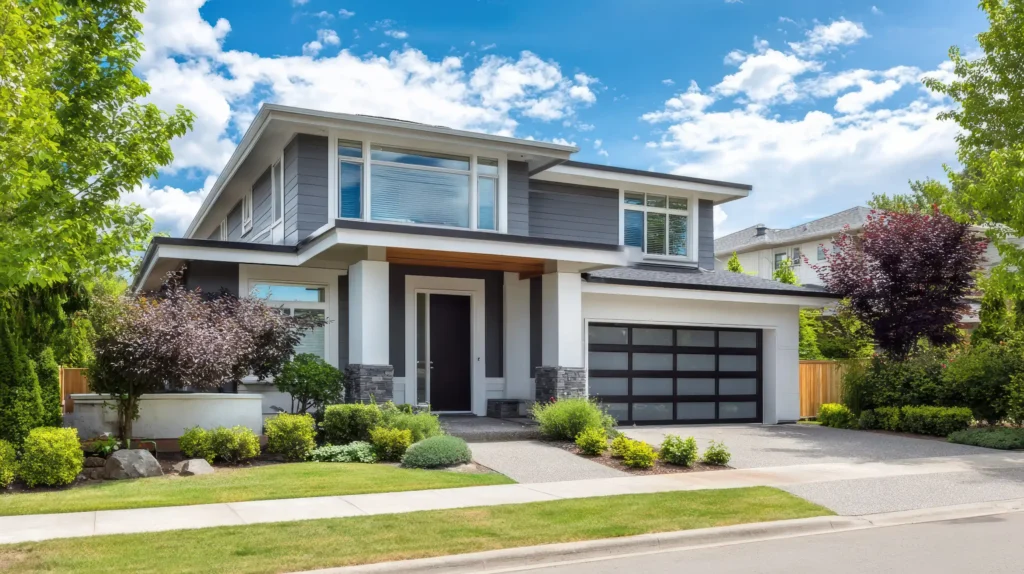
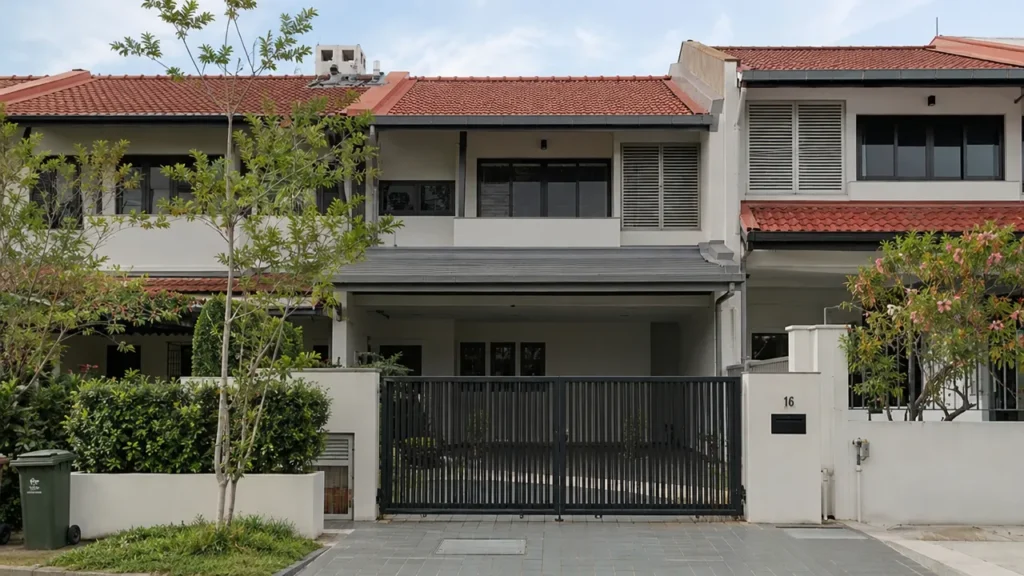
Landed property in Singapore comes in several forms, including terrace houses, semi-detached houses, detached bungalows, Good Class Bungalows (GCBs) and cluster houses.
If you’re planning to upgrade from an HDB flat or condo to a landed house, the choice involves more than finding a bigger home. Each property type comes with different ownership arrangements, levels of privacy and restrictions on what you can change.
The amount of land you own is only part of the picture. Planning controls, shared walls and the cost of maintaining or rebuilding the house can all affect your decision.
What Counts as Landed Property in Singapore
If you’re comparing landed homes with HDB flats or private condos, the first distinction to look at is the type of ownership attached to the property.
Landed property refers to a home built on a plot of land. Some examples of this are terrace houses, semi-detached houses and detached bungalows. Cluster houses can also take the form of landed homes, although their ownership structure differs from conventional landed property.
A conventional landed house usually comes with a land title covering the property and its land. A strata-titled cluster house gives the owner a separate title to their unit, alongside shared rights and responsibilities for common areas within the development.
The URA’s residential development guidelines explain the planning requirements for conventional landed housing and strata-landed developments.
HDB flats and private condo follow different ownership arrangements. HDB flat owners hold a leasehold interest under the HDB ownership framework, while condominium owners usually hold strata title to their individual units and share common facilities with other residents.
Owning the land also doesn’t give you complete freedom to rebuild or extend the house. The Urban Redevelopment Authority (URA) sets planning controls covering building height, setbacks and permitted housing forms.
For example, a freehold terrace house cannot automatically be converted into a semi-detached house just because the owner wants more space. The property’s location, plot dimensions and designated housing type can restrict what is permitted. Major alterations may also require planning permission or approval from the relevant authorities. The URA explains the requirements in its planning permission guidelines.
If you’re still comparing property types and investment approaches, our beginner’s guide to property investing in Singapore covers the broader considerations before you commit to a purchase.
Types of Landed Property in SG
Terrace Houses
If you’re looking at landed property for the first time, terrace houses may be among the options you encounter. They’re built in a row, with neighbouring houses sharing common walls.
Singapore has two main terrace house classifications, Type I and Type II. Their planning requirements differ, particularly in building setbacks and minimum plot dimensions.
Under the URA’s terrace house planning guidelines, the minimum plot requirements are as follows.
| Terrace house type | Minimum plot size | Minimum plot width |
|---|---|---|
| Type I intermediate | 150 sqm | 6 m |
| Type I corner | 200 sqm | 8 m |
| Type II intermediate | 80 sqm | 6 m |
| Type II corner | 80 sqm | 8 m |
Type I houses follow the applicable road buffer requirements, while Type II houses have a standardised building setback of 2 metres from the road. Type II houses must also meet specific location criteria. The two classifications are therefore not simply larger and smaller versions of the same house.
These are general planning parameters. If you’re considering a particular property, check its approved plans and the current requirements for its site before relying on the figures to estimate redevelopment potential.
Intermediate vs corner terrace houses
Once you’ve narrowed your search to terrace houses, the next decision is whether an intermediate or corner unit suits your needs, because this affects how much outdoor space you have, how daylight enters the house and how close you are to neighbouring households.
An intermediate terrace sits between two neighbouring homes and shares walls on both sides. Windows and openings along those walls are generally restricted, so natural light and ventilation depend more heavily on the front, rear and internal layout. Sound from adjoining homes may also travel through shared walls, depending on their construction.
A corner terrace occupies the end of a row and has only one adjoining house. Its exposed side may allow additional windows or provide space for a garden. The extra side space can also give the house a less enclosed feel.
However, the additional land doesn’t mean more usable floor area. Setback requirements may prevent the owner from extending the building into part of the side yard. The plot’s shape and the location of existing structures also affect what can be done.
Corner units may command a premium because of their additional land and greater separation from neighbours. Before paying more, look at the layout. A wide, usable side yard offers a different proposition from a narrow strip that cannot accommodate the extension or outdoor area you have in mind.
If rebuilding is part of your longer-term plan, have a qualified professional assess the site before committing to the purchase. URA’s landed housing planning resources provide the starting point for checking the applicable controls.
If you’re weighing a landed home against another residential investment, personalised property portfolio consulting can help you assess your options against your portfolio goals.
Semi-Detached Houses
If you want more separation from neighbouring homes but aren’t looking for a fully detached property, a semi-detached house may be worth considering.
It’s one of a pair of houses joined along a common wall, with each house holding its own land title. Unlike an intermediate terrace house, which shares walls with two neighbours, a semi-detached house shares a wall with just one adjoining home.
Under the URA’s semi-detached housing planning guidelines, the minimum plot size for a conventional semi-detached house is generally 200 sqm. The required plot width differs by configuration.
Side-to-side semi-detached houses generally require a minimum width of 8 metres, while back-to-back houses require 10 metres. Check the applicable planning controls for the specific site before relying on these dimensions.
Side-to-side vs back-to-back layouts
Semi detached houses also have different positions: Side-to-side and back-to-back.
Side-to-side is the more familiar arrangement, with two houses placed next to each other and joined along one wall, while back-to-back houses are positioned with their rear sides adjoining.
The exposed side of a semi-detached house can provide more opportunities for windows and natural light than an intermediate terrace. Depending on the plot, there may also be space for landscaping or outdoor activities.
However, the actual benefit depends on the building’s orientation, neighbouring structures and permitted setbacks.
The shared wall still deserves attention during a viewing. If bedrooms or living areas sit directly against the adjoining house, sound transmission may affect privacy.
Renovation work involving the party wall can also require additional coordination, particularly if structural changes or access to the neighbouring property are involved. Think about future renovation plans, too.
A semi-detached house cannot automatically become a detached bungalow just because the owner wants to separate it from its neighbour.
The URA’s planning controls regulate the permitted housing form and the development options available to adjoining properties. Its guidelines for additions and alterations to landed houses specify conditions that proposals must meet, including retaining the existing housing type under the applicable lodgment scheme.
Moving into a landed home can form part of a broader property strategy, but the next purchase needs to fit your financing capacity and long-term plans. Our guide to property asset progression in Singapore explains the wider considerations behind moving from one property to the next.
Detached Bungalows
If you want more separation from neighbouring homes, a detached bungalow offers a house that stands independently on its own plot, without shared walls.
Under URA’s prevailing planning controls, a conventional detached house generally requires a minimum plot size of 400 sqm, although the requirements for a particular site should always be checked against its planning status.
With no adjoining house sharing a wall, owners have greater flexibility in arranging windows, rooms and outdoor areas. There is also more privacy between households. Although, a detached house usually comes with more land to maintain, and rebuilding can involve substantial design, construction and approval costs.
And still, a larger plot does not mean you are permitted for a larger building. Setbacks, site coverage and height restrictions determine how much of the land can be developed.
Good Class Bungalows (GCBs)
Good Class Bungalows are a restricted category of landed housing found within designated areas of Singapore.
They are subject to specific planning requirements, including a minimum plot size of 1,400 sqm and a maximum building height generally limited to two storeys, excluding permitted exceptions under the applicable guidelines. The URA’s planning guidelines set out the requirements for GCB areas.
If you’re considering a GCB as a long-term property purchase, its location is just as important as the land size. These homes must be situated within gazetted GCB areas, and the planning controls are intended to preserve the area’s low-rise, spacious character.
A large bungalow outside a designated GCB area does not become a GCB simply because its plot exceeds 1,400 sqm.
Ownership restrictions also narrow the pool of eligible buyers. Under the Singapore Land Authority’s foreign ownership rules, foreign persons generally need approval to purchase landed residential property.
Cluster Houses (Strata Landed)
If you prefer a landed-style home but would rather share some maintenance responsibilities, a cluster house may be your potential choice
These developments combine the layout of landed housing with shared facilities and common areas, such as landscaping, security features or recreational amenities.
The main difference is ownership. A cluster house in a strata development usually gives title to your individual unit, while common areas fall under the management of the development’s Management Corporation Strata Title (MCST).
This arrangement comes with recurring maintenance contributions and rules governing shared property.
Owners of conventional landed houses generally manage their own property’s upkeep. Cluster house owners must also consider the development’s by-laws and MCST decisions, which may affect renovations, exterior changes and the use of common facilities. .
Before buying a cluster house, review the maintenance contributions, sinking fund, by-laws and recent MCST meeting records where available.
Freehold vs Leasehold Within Each Type
If you’re comparing two landed houses with similar layouts, their tenure can affect the purchase price and long-term ownership plans. A freehold property has no fixed lease expiry, while a leasehold property gives the owner rights for a defined period. Neither tenure guarantees that a house will retain its value or remain suitable for redevelopment.
For leasehold properties, the remaining lease affects how long you can use the property and may influence financing and resale demand. Freehold properties avoid a fixed lease expiry, but they can still face planning restrictions, maintenance costs and changes in the surrounding area.
If you’re planning to move beyond your current home and build a larger residential property portfolio, the Proptiply™ Residential Acceleration Program covers the strategies and financing considerations involved in progressing from one property to the next.
Quick Comparison Table
| Property type | Minimum plot size | Shared walls | Typical ownership | Main constraint |
|---|---|---|---|---|
| Terrace house | 80–200 sqm, depending on type | One or two | Land title | Limited side space and rebuilding options |
| Semi-detached | Generally 200 sqm | One | Land title | Shared-wall and redevelopment restrictions |
| Detached bungalow | Generally 400 sqm | None | Land title | Higher land and maintenance costs |
| Good Class Bungalow | 1,400 sqm | None | Land title | Designated location and strict eligibility rules |
| Cluster house | Varies by development | Varies | Usually strata title | MCST rules and recurring maintenance contributions |
Minimum plot sizes reflect general URA planning requirements. Check the current landed housing guidelines for the specific property.
Common Mistakes When Choosing a Landed Type
Buyers can run into trouble when they focus on the house itself and overlook the restrictions attached to the property.
- Treating GCB status as a future upgrade. A large plot outside a gazetted GCB area does not qualify as a GCB. Location and planning requirements determine the classification.
- Underestimating cluster house fees. Check maintenance contributions, sinking fund obligations and MCST by-laws before comparing a cluster house with a conventional landed property.
- Assuming freehold means unrestricted rebuilding. Planning controls still apply, including building height, setbacks and site coverage. The URA’s planning guidelines explain these requirements.
- Buying based on potential extensions alone. Have the site assessed before paying for a property on the expectation that you can add floors, enlarge rooms or change its housing type.
Frequently Asked Questions
Can foreigners buy any type of landed property in Singapore?
No. According to the Singapore Land Authority (SLA), foreign persons generally need approval under the Residential Property Act before purchasing landed residential property in Singapore. This includes terrace houses, semi-detached houses and detached bungalows. Some strata-titled units within approved condominium developments are exempt from this approval requirement.
Is a Good Class Bungalow the only landed type restricted to Singapore citizens?
No. As per the SLA’s foreign ownership rules, foreign persons generally need approval to purchase landed residential property, including terrace houses, semi-detached houses and bungalows. GCBs have particularly strict eligibility requirements. Foreign buyers should check their eligibility before committing to a property, as approval is assessed on a case-by-case basis.
Can a semi-detached house be rebuilt into a detached bungalow?
In some cases, but not automatically. The Urban Redevelopment Authority (URA) states that redevelopment depends on factors such as plot size, the permitted housing form and the effect on the adjoining property. Some proposals are not allowed if the remaining plot cannot meet the requirements. Have the specific site assessed before purchasing with redevelopment plans in mind.
Do cluster houses have monthly costs that conventional landed houses avoid?
Generally, yes. The Building and Construction Authority (BCA) states that owners in strata developments must contribute towards maintaining common property and shared facilities. These payments may include management fund and sinking fund contributions. Conventional landed homeowners usually manage their own property’s upkeep, although they still pay for their own repairs and maintenance.